Browser Based Quizzes Combine Knowledge Building With Entertainment

Interactive quiz activities can make knowledge building more enjoyable by combining thoughtful questions with entertaining challenges. Participants can test what they know, discover new information, and enjoy positive competition through engaging sessions. This balance between learning and entertainment creates a refreshing experience that encourages curiosity and active participation.

Accessible Quizzes Encourage Participation
Simple access can make quiz activities convenient for different types of players. Browser-based experiences allow participants to enjoy questions and challenges without requiring complicated arrangements, creating an approachable environment for knowledge exploration.
The convenient format can encourage more people to participate and enjoy learning through entertaining activities.
- Encourages easy participation
- Supports convenient quiz experiences
- Makes knowledge activities approachable
- Reduces barriers to participation
- Creates flexible entertainment opportunities
Interesting Questions Build Knowledge
Well-designed questions encourage participants to recall information and think carefully about possible answers. Different subjects can introduce familiar concepts while also helping players discover interesting facts and useful knowledge.
A varied question selection keeps sessions engaging and gives participants opportunities to learn something new with every round.
- Supports knowledge recall
- Introduces diverse subjects
- Encourages thoughtful responses
- Builds curiosity
- Makes learning more engaging
Friendly Competition Adds Excitement
Positive competition can bring additional energy to quiz sessions. Participants can compare results, celebrate successful answers, and encourage one another while enjoying a relaxed and entertaining experience.
This friendly atmosphere can motivate players to remain focused and participate actively throughout the session.
- Encourages friendly competition
- Adds excitement to quizzes
- Supports positive interaction
- Motivates continued participation
- Creates memorable challenges
Quick Thinking Keeps Attention Active
Quiz questions can encourage players to process information and respond within a suitable time. This active format keeps attention focused while allowing participants to apply their knowledge in an enjoyable setting.
Each response creates another opportunity to think, learn, and experience the satisfaction of making progress.
- Encourages quick thinking
- Supports active participation
- Improves attention
- Promotes confident decision-making
- Creates dynamic learning moments
Entertainment Makes Learning Rewarding
Combining playful challenges with useful information can make learning feel less routine. Participants can enjoy discovering answers while developing knowledge through repeated exposure to interesting questions and topics.
The entertaining format creates positive associations with learning and encourages people to remain curious.
- Makes knowledge building enjoyable
- Encourages continued exploration
- Supports positive learning experiences
- Builds confidence through participation
- Strengthens curiosity
Progress Encourages Continued Engagement
Seeing improvement can make quiz sessions more rewarding. Participants may enjoy achieving stronger results, answering challenging questions, and recognizing their growing knowledge through regular participation.
The feeling of game-triumph can represent this positive combination of achievement, entertainment, and knowledge gained through interactive challenges.
- Highlights personal improvement
- Encourages repeated participation
- Builds confidence
- Creates rewarding moments
- Supports long-term engagement
Browser-based quizzes provide an enjoyable combination of knowledge building, entertainment, friendly competition, and active participation. By offering accessible challenges, interesting questions, quick thinking opportunities, and rewarding progress, they can make learning more engaging while creating positive experiences that encourage continued curiosity.
Commander Essentials Kit Keeps Game Day Accessories Neatly Arranged
A well-organized game day setup can make every session smoother, more enjoyable, and easier to manage. Keeping essential accessories together helps players prepare with confidence while maintaining a clean playing area. A dedicated organization routine also makes it simple to find everything needed before the first move begins.
Keep Accessories Together
Having essential items in one dedicated kit reduces unnecessary searching and creates a more convenient preparation process. Each accessory can have a clear place, making setup feel simple and organized.
- Keeps important accessories together
- Reduces unnecessary clutter
- Makes items easier to locate
- Supports consistent organization
- Simplifies game day preparation
Create A Neat Setup
A tidy playing area can make the entire gaming experience feel more comfortable. Organized accessories help maintain a clean environment while ensuring useful items remain ready for immediate access.
- Keeps the playing surface orderly
- Creates a pleasant setup
- Makes preparation more efficient
- Supports a comfortable experience
- Encourages better organization habits
Improve Accessibility
Easy access to essential accessories can save valuable preparation time. When everything is arranged thoughtfully, players can quickly select what they need and begin their session without unnecessary interruptions.
- Makes frequently used items accessible
- Speeds up setup
- Simplifies accessory selection
- Keeps essentials within reach
- Supports smooth preparation
Support Efficient Game Day Preparation
Preparation becomes more enjoyable when players know exactly where their accessories are stored. A reliable kit can provide a practical routine that works before every session.
- Helps organize accessories efficiently
- Makes setup predictable
- Reduces time spent searching
- Supports quick preparation
- Creates a dependable routine
Make Storage More Convenient
A dedicated storage approach also helps after the session ends. Returning each accessory to its proper place keeps the collection ready for the next game day and maintains a consistently organized setup.
- Simplifies cleanup
- Keeps accessories in familiar locations
- Makes packing away easier
- Prevents unnecessary disorganization
- Prepares items for future use
Adapt To Different Sessions
Every game day can have different needs, so flexible organization is valuable. A thoughtfully arranged kit allows players to adjust the accessories they bring while keeping the overall setup neat.
- Supports different accessory combinations
- Allows easy rearrangement
- Accommodates changing needs
- Keeps selected items organized
- Encourages flexible preparation
Enhance The Gaming Experience
Good organization can contribute to a more enjoyable session from beginning to end. When accessories are prepared and arranged properly, players can focus more attention on strategy, interaction, and fun.
- Creates a smoother start
- Reduces preparation distractions
- Encourages a relaxed atmosphere
- Supports enjoyable sessions
- Makes every setup feel effortless
A Practical Organization Solution
A well-planned essentials kit brings convenience, accessibility, and order to game day preparation. Using a Command Zone Tray can complement an organized approach by giving important accessories a dedicated arrangement. With consistent storage habits, players can enjoy cleaner setups, faster preparation, and a more comfortable gaming experience every time.
Well-Chosen Baby Supplies Bring Convenience To Everyday Family Life
Thoughtful choices in baby supplies can make everyday family routines feel more comfortable, organized, and enjoyable. Practical essentials for feeding, changing, bathing, sleeping, and travel can help parents handle regular responsibilities with greater ease. Choosing useful items based on daily needs also keeps routines simple while supporting a baby’s comfort.
Comfortable Essentials Support Daily Care
Useful baby supplies can bring greater convenience to regular activities throughout the day. When essential items are easy to access and suited to family routines, parents can spend less time searching for what they need and more time enjoying meaningful moments with their little ones.
- Soft clothing supports everyday comfort.
- Convenient changing supplies simplify regular care.
- Gentle bathing essentials make routines pleasant.
- Practical feeding items support organized mealtimes.
- Comfortable sleep essentials encourage peaceful routines.
Organized Supplies Make Family Routines Easier
A well-arranged collection of essentials can help families maintain a smoother rhythm at home. Keeping frequently used items within easy reach can reduce unnecessary effort and make everyday care feel more manageable.
- Organized storage keeps important items accessible.
- Dedicated spaces help maintain tidy surroundings.
- Easy-to-reach supplies support faster preparation.
- Practical choices reduce unnecessary household clutter.
- Well-planned essentials encourage smoother routines.
Practical Feeding Essentials Add Convenience
Feeding is an important part of daily family life, and suitable supplies can make preparation and cleanup more comfortable. Simple, useful items can support consistent routines while giving parents greater confidence during regular feeding times.
- Comfortable feeding accessories support relaxed mealtimes.
- Easy-clean items simplify after-meal routines.
- Soft burp cloths provide useful everyday support.
- Organized feeding supplies save preparation time.
- Suitable essentials encourage comfortable family routines.
Helpful Bathing And Hygiene Supplies
Bathing and hygiene become easier when families have practical supplies prepared for regular use. Thoughtfully selected essentials can help create a calm environment while making cleaning and changing routines more convenient.
- Soft towels provide gentle comfort after bathing.
- Suitable hygiene items support fresh daily routines.
- Convenient changing supplies improve organization.
- Easy-care materials simplify regular cleaning.
- Practical bath essentials support comfortable family moments.
Travel-Friendly Supplies Encourage Easy Outings
Family outings can feel more enjoyable when useful baby essentials are prepared in advance. Compact and convenient supplies can make it easier to manage changing, feeding, and comfort needs while spending time away from home.
- Portable essentials support comfortable outings.
- Convenient bags help keep supplies organized.
- Lightweight items make carrying easier.
- Travel-friendly accessories support flexible plans.
- Prepared supplies encourage relaxed family adventures.
Thoughtful Choices Create Lasting Convenience
Selecting baby supplies according to genuine family needs can bring lasting value to everyday life. Parents can focus on practical features, comfort, easy maintenance, and suitability rather than collecting unnecessary items. This approach can create a more organized home and a more enjoyable care experience. Resources such as https://www.riverbabygroup.com/es/ can also provide useful inspiration when exploring baby supply options.
- Practical products support efficient routines.
- Comfortable essentials encourage happier moments.
- Quality choices can provide dependable everyday support.
- Useful designs make family life more manageable.
- Thoughtful preparation creates greater peace of mind.
Well-chosen baby supplies can transform ordinary routines into smoother and more comfortable experiences. From feeding and hygiene to organization and outings, practical essentials give families valuable support throughout the day. By focusing on comfort, usefulness, and convenience, parents can create positive routines that make everyday family life feel easier and more enjoyable.
Creative Filmmaking Stories Celebrate Imagination And Artistic Achievement
Creative filmmaking brings imagination to life through compelling stories, expressive performances, and remarkable visual experiences. Every film represents a combination of artistic vision, thoughtful planning, and collaborative effort. From developing original ideas to creating memorable scenes, filmmakers use their creativity to entertain audiences, inspire emotions, and share meaningful perspectives that celebrate the power of storytelling.
Imagination Inspires Unique Storytelling
Every memorable film begins with an idea that encourages audiences to explore new possibilities. Creative storytelling transforms ordinary observations, imaginative concepts, and meaningful experiences into engaging narratives that capture attention and encourage emotional connections.
- Original story concepts: Fresh ideas introduce audiences to exciting characters, unexpected discoveries, and imaginative situations.
- Meaningful themes: Stories about friendship, courage, hope, and personal growth create memorable emotional experiences.
- Distinctive characters: Carefully developed personalities make fictional journeys more engaging and relatable.
- Creative dialogue: Thoughtful conversations reveal character motivations and bring stories to life.
- Unexpected discoveries: Surprising developments maintain audience curiosity while adding excitement to the narrative.
Visual Creativity Enhances Every Scene
Visual storytelling allows filmmakers to communicate emotions, establish atmosphere, and strengthen the meaning of important moments. Thoughtful artistic choices help transform written stories into immersive experiences that audiences can remember long after watching.
- Expressive cinematography: Carefully composed shots emphasize emotions and highlight important story details.
- Atmospheric lighting: Creative lighting choices establish moods and bring depth to different scenes.
- Colorful environments: Carefully selected colors support the story’s atmosphere and visual identity.
- Detailed costumes: Clothing choices communicate personality, background, and character development.
- Memorable settings: Thoughtfully designed environments make fictional worlds feel engaging and believable.
Collaboration Turns Ideas Into Reality
Filmmaking brings together talented individuals who contribute different skills, perspectives, and creative strengths. Cooperation between performers, writers, directors, and production professionals helps transform ambitious concepts into polished entertainment.
- Directorial vision: Clear creative direction helps maintain consistency throughout the storytelling process.
- Powerful performances: Actors use expression, movement, and emotion to make characters convincing.
- Thoughtful writing: Screenwriters organize ideas into engaging narratives with meaningful dialogue.
- Creative production design: Artistic teams develop environments and visual details that support the story.
- Collaborative problem-solving: Sharing ideas encourages innovation and helps teams discover effective creative solutions.
Music And Sound Deepen Emotional Experiences
Sound plays an important role in shaping how audiences experience a film. Carefully selected musical themes, natural sounds, and expressive audio details complement the visuals and strengthen the emotional impact of memorable scenes.
- Emotional soundtracks: Music emphasizes feelings and creates powerful connections with important moments.
- Natural sound effects: Detailed audio brings environments and everyday actions to life.
- Memorable themes: Distinctive melodies help establish a recognizable atmosphere.
- Balanced sound design: Clear audio allows dialogue, music, and effects to work together harmoniously.
- Expressive silence: Quiet moments create space for reflection and highlight meaningful emotions.
Artistic Achievement Inspires Future Creativity
Filmmaking celebrates the dedication required to transform imagination into meaningful entertainment. Entertainment features such as https://www.filmify.in/ can help readers explore creative storytelling, filmmaking developments, and artistic achievements. Every successful creative project reflects curiosity, teamwork, and a commitment to bringing ideas to life. By combining original narratives, expressive visuals, compelling performances, and thoughtful sound, filmmakers create experiences that entertain, inspire, and encourage audiences to appreciate the limitless possibilities of artistic expression.
Practical Convention Center Parking Solutions Simplify Travel And Arrival
Convenient parking plays an important role in creating a comfortable event experience. When visitors can locate suitable spaces, follow clear directions, and reach entrances without difficulty, their journeys become more enjoyable. Well-planned parking arrangements also help event organizers manage arrivals efficiently, allowing attendees to focus on conferences, exhibitions, networking opportunities, and other activities.
Easy Parking Makes Arrivals More Comfortable
A smooth arrival helps visitors feel relaxed and prepared for their planned activities. Organized parking areas, visible signs, and convenient access points reduce confusion while creating a welcoming atmosphere for guests and event participants.
- Clear Entry Points: Visible directions help drivers identify the appropriate parking entrance.
- Organized Spaces: Well-arranged parking areas make finding suitable spaces easier.
- Convenient Access: Short walking routes help visitors reach entrances comfortably.
- Time Management: Efficient arrangements allow attendees to plan their arrival confidently.
- Welcoming Experiences: Simple parking procedures create a positive beginning to every visit.
Flexible Parking Options Support Different Visitors
Every visitor has unique transportation requirements and scheduling preferences. Providing different parking arrangements helps accommodate individuals, families, exhibitors, and professionals while making event attendance more convenient.
- General Parking: Practical spaces accommodate regular visitors attending various activities.
- Accessible Parking: Designated spaces improve convenience for people with mobility requirements.
- Reserved Parking: Advance arrangements help visitors organize their transportation plans.
- Short-Term Spaces: Convenient stopping areas support passenger drop-offs and quick visits.
- Extended Parking: Longer-duration options suit attendees participating in full-day events.
Advance Planning Simplifies Travel
Preparing transportation arrangements before departure helps visitors make confident decisions. Reviewing parking details, understanding entry procedures, and allowing enough time for arrival can make the entire journey more organized and enjoyable.
Visitors can explore https://www.aplusexpo.com/orange-county-convention-center-parking-guide/ to review relevant parking information while preparing for an event. Checking available guidance beforehand helps attendees understand their options and plan a convenient arrival. Useful preparation also allows visitors to coordinate with companions, organize their schedules, and avoid unnecessary uncertainty during busy event periods.
Clear Directions Improve Traffic Movement
Well-designed parking facilities help drivers and pedestrians move comfortably through shared spaces. Clearly marked routes, organized entry procedures, and thoughtful traffic management contribute to a safer and more efficient experience for everyone.
- Visible Signage: Readable signs guide drivers toward suitable parking sections.
- Defined Driving Lanes: Organized routes support smoother vehicle movement.
- Pedestrian Pathways: Marked walking areas make movement between vehicles and entrances easier.
- Convenient Exits: Clear departure directions simplify the journey after an event.
- Helpful Assistance: Friendly guidance supports visitors who need additional directions.
Well-Maintained Facilities Enhance Convenience
Clean and organized parking areas contribute to a comfortable environment. Attention to lighting, accessibility, cleanliness, and space management helps visitors feel welcome while supporting a dependable parking experience throughout the day.
- Clean Surroundings: Tidy spaces create a pleasant first impression.
- Suitable Lighting: Good visibility supports comfortable movement during different hours.
- Regular Maintenance: Well-maintained facilities remain practical and inviting.
- Thoughtful Layouts: Organized spaces improve usability for different vehicles.
- Comfortable Walkways: Convenient pedestrian routes help visitors reach their destinations.
Better Parking Creates Enjoyable Event Experiences
Practical parking solutions make transportation simpler from arrival to departure. When visitors benefit from clear guidance, flexible choices, and organized facilities, they can spend less time managing parking and more time enjoying their activities. By prioritizing convenience, accessibility, and advance planning, event organizers can create smoother journeys and more satisfying experiences. These thoughtful arrangements make convention center visits easier, encourage positive impressions, and help every event begin and end on a comfortable note
Expert Upholstery Treatment Helps Maintain Vibrant Colors And Texture
Beautiful upholstery adds warmth, comfort, and personality to furniture, while vibrant colors and appealing textures contribute to an inviting interior. Expert upholstery treatment provides careful attention to fabric surfaces, helping maintain their visual richness, pleasant feel, and polished appearance through regular use.
Preserve Vibrant Fabric Colors
Professional upholstery treatment can help keep fabric colors looking fresh and balanced. Careful cleaning methods are selected according to the material, supporting a refreshed appearance while respecting the fabric’s existing qualities.
- Helps maintain rich fabric colors
- Refreshes the overall surface appearance
- Supports consistent color presentation
- Enhances decorative fabric patterns
- Keeps furniture looking inviting
Maintain Natural Texture
Texture plays an important role in upholstery comfort and visual appeal. Gentle, suitable treatment can help preserve the fabric’s characteristic feel while removing accumulated surface particles and refreshing frequently used areas.
- Preserves pleasant fabric texture
- Supports a smooth surface feel
- Refreshes frequently touched areas
- Helps maintain material character
- Enhances everyday seating comfort
Support Detailed Fabric Care
Different upholstery materials have individual characteristics that deserve thoughtful attention. Expert treatment considers the fabric’s structure and finish, helping maintain its appearance while supporting consistent care.
- Encourages suitable cleaning methods
- Supports careful surface preparation
- Maintains fabric quality
- Helps protect decorative details
- Promotes consistent upholstery care
Refresh Furniture Appearance
Clean and well-maintained upholstery can transform the overall presentation of a furniture piece. Thorough treatment helps remove everyday surface buildup, allowing colors, patterns, and textures to appear clearer and more attractive.
- Improves visual freshness
- Enhances fabric patterns
- Creates a polished presentation
- Supports attractive surface quality
- Makes furniture feel refreshed
Improve Everyday Comfort
Well-maintained upholstery contributes to a pleasant seating experience. Refreshing the fabric can improve its feel while helping frequently used furniture remain comfortable, inviting, and ready for everyday activities.
- Supports comfortable seating
- Maintains pleasant surface texture
- Refreshes frequently used furniture
- Enhances everyday enjoyment
- Encourages inviting furniture spaces
Encourage Regular Upholstery Maintenance
Consistent care can help preserve the qualities that make upholstered furniture attractive. Professional meubelreiniging provides a practical approach to maintaining clean surfaces, vibrant presentation, and comfortable textures throughout regular furniture use.
- Supports ongoing fabric maintenance
- Helps preserve attractive colors
- Maintains surface freshness
- Encourages long-term furniture care
- Supports lasting visual appeal
Protect Decorative Character
Upholstery often features patterns, stitching, textures, and color combinations that define its distinctive appearance. Thoughtful treatment can help these details remain visually appealing while supporting the overall condition of the furniture.
- Preserves decorative stitching
- Maintains attractive patterns
- Supports fabric detailing
- Complements existing furniture design
- Enhances distinctive visual qualities
Create A Refined Final Result
Expert treatment combines careful cleaning, fabric awareness, and detailed finishing to create a beautifully refreshed appearance. The result can help furniture look polished while retaining its comfortable texture and vibrant character.
- Enhances overall fabric presentation
- Supports consistent texture
- Maintains vibrant appearance
- Improves furniture appeal
- Creates a welcoming final impression
Expert upholstery treatment brings together careful maintenance, color preservation, texture care, and everyday comfort. With consistent attention, upholstered furniture can retain its vibrant appearance and inviting feel, allowing its beauty and functionality to remain enjoyable for years.
Exploring Flexible Bag Designs For Modern Food Packaging
Flexible plastic bags have become an important part of modern food packaging because they combine convenience, lightweight construction, product visibility, and practical protection. Different bag designs can serve different food products, storage conditions, and handling requirements. Understanding these options makes it easier to appreciate how packaging can support freshness, presentation, and efficient distribution. Common materials include polyethylene and polypropylene, while specialized structures may combine several layers for enhanced performance.
Understanding Common Plastic Bag Materials
A useful starting point is exploring the different materials used to create flexible food bags. The https://www.ketegroup.com/types-of-plastic-bags-for-packaging/ provides an overview of plastic bag materials, designs, and applications.
Popular options include:
- HDPE Bags: Known for their strength and durability, these bags can be useful for dry foods and applications requiring dependable handling.
- LDPE Bags: Soft and flexible, LDPE bags provide useful clarity and sealing performance for products such as bakery items and fresh foods.
- LLDPE Bags: Offering a balance of flexibility and toughness, these bags can support packaging applications where tear and puncture resistance is valuable.
- PP Bags: Polypropylene provides excellent clarity, moisture resistance, and heat performance, making it suitable for snacks, confectionery, and other food products.
Exploring Different Flexible Bag Designs
Material selection is only one part of modern packaging. The physical design of a bag also influences usability and product presentation.
Common designs include:
- Flat Bags: Simple and versatile, these bags work well for lightweight food products and straightforward packaging operations.
- Gusseted Bags: Expanded sides or bottoms create additional capacity while helping the package maintain a practical shape.
- Stand-Up Pouches: A bottom gusset allows the pouch to stand upright, creating attractive shelf presentation and convenient handling.
- Resealable Bags: Zip-style closures provide convenient access while allowing consumers to close the package between uses.
- Vacuum Bags: Designed for air removal, these structures can support packaging applications involving foods that benefit from reduced air exposure.
Choosing Features For Food Packaging
The right bag design depends on the characteristics of the food and its storage requirements. Moisture resistance can help protect dry products, while stronger structures can provide useful protection during transportation. Clear films can also make the contents easier to see, supporting attractive product presentation.
Important considerations include:
- Product weight and volume
- Required flexibility and strength
- Moisture and oxygen protection
- Heat-sealing requirements
- Storage temperature
- Opening and resealing convenience
Creating Practical Modern Packaging
Flexible plastic bags offer food producers a broad range of design possibilities. By combining suitable materials, shapes, closures, and protective properties, packaging can become both functional and visually appealing. Whether used for snacks, grains, bakery products, frozen foods, or confectionery, thoughtfully designed bags can support convenient storage, efficient transportation, and appealing presentation.
Pontoon Boat Size Considerations for Storage and Docking
Choosing a pontoon boat becomes easier when storage and docking requirements are considered alongside passenger space and deck comfort. Width, length, height, and trailer dimensions all contribute to convenient ownership. A thoughtful size assessment helps create a smooth fit for garages, storage areas, docks, and launch spaces.
- Measure the full boat length.
- Check the widest beam measurement.
- Include the trailer in measurements.
- Consider added accessories carefully.
- Allow extra clearance around the boat.
Planning For Storage Space
Storage works best when the boat has enough room for comfortable movement and positioning. The advertised beam describes the vessel itself, but the trailer may extend beyond the pontoons. Accessories can also affect the total footprint, making complete measurements especially valuable before selecting a storage location.
- Measure the garage entrance first.
- Check interior storage width.
- Compare trailer width carefully.
- Account for mirrors and rails.
- Consider cover dimensions.
- Leave room for easy maneuvering.
A reference discussing pontoon dimensions, including common width measurements, can provide useful background when reviewing these requirements: https://www.hiseadock.com/how-wide-is-a-pontoon-boat/.
Considering Garage Door Clearance
A generous entrance can make storage considerably simpler. Even when a pontoon technically fits inside a building, limited side clearance may make positioning difficult. Measuring both the entrance and the interior helps ensure that the complete boat-and-trailer combination can move comfortably through the available space.
- Measure door width precisely.
- Check door height carefully.
- Consider trailer wheel clearance.
- Keep side clearance generous.
- Plan the backing route beforehand.
Docking Space And Beam
Docking requires attention to the boat’s beam as well as the available slip width. A comfortable fit provides room for controlled positioning and allows protective accessories to work effectively. Measuring the narrowest usable portion of the docking area creates a more dependable understanding of available space.
- Measure between fixed structures.
- Check the slip’s narrowest section.
- Consider fender placement.
- Allow maneuvering room.
- Review water-level variations.
- Keep docking paths unobstructed.
Trailer Dimensions Matter
The trailer is an important part of storage planning because its frame, wheels, guides, and other components can increase the overall footprint. Matching trailer dimensions with the boat creates a balanced setup and supports easier movement during launching, retrieving, and storage.
- Verify total trailer width.
- Check wheel and fender positions.
- Confirm guide-post clearance.
- Review storage turning space.
- Keep loading areas accessible.
Creating A Comfortable Setup
Successful size planning combines measurements with practical clearance. A slightly larger storage or docking area can make routine handling more relaxed while protecting the boat and surrounding structures. Careful preparation also makes seasonal storage, launching, and everyday docking more enjoyable.
- Prioritize accurate measurements.
- Include every external component.
- Maintain generous clearance.
- Plan for routine movement.
- Recheck dimensions before finalizing.
Final Size Checklist
Pontoon boat sizing becomes straightforward when every dimension is considered together. Reviewing the boat, trailer, storage entrance, interior space, and docking area creates a complete picture of compatibility. With accurate measurements and thoughtful clearance, owners can enjoy convenient storage and confident docking while making the most of their recreational boating experience.
Understanding Standard Symbols Used For Circuit Protection
Electrical diagrams use standardized symbols to make circuit functions easier to understand. Among these, the fuse symbol clearly identifies a component designed to provide overcurrent protection. Learning to recognize this symbol helps readers quickly understand where protective elements are positioned within a circuit.
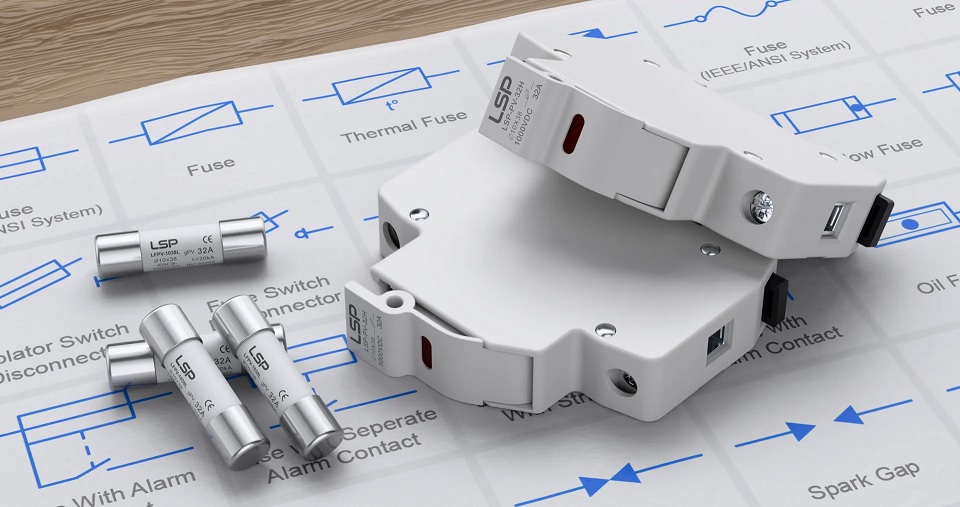
A https://lsp.global/what-is-a-fuse-electrical-symbol-in-circuit-diagrams/ provides useful visual guidance for understanding how a fuse is represented in electrical diagrams. The familiar rectangular form with a line through its center can help readers identify the protective component while reviewing circuit layouts. Standardized symbols also make electrical documentation easier to interpret across different applications.
Understanding What The Fuse Symbol Represents
A fuse is connected within a circuit so it can respond when current rises beyond its intended level. The symbol therefore represents both the physical component and its protective role within the electrical system.
Key points to recognize include:
- A fuse symbol identifies an overcurrent protection point.
- The symbol is commonly shown as a small rectangular element.
- A line through the symbol represents the fuse element within the circuit.
- Its position helps show which circuit path receives protection.
- Standard symbols make schematic reading more consistent.
Comparing Common Fuse Applications
Fuse symbols can appear in residential, industrial, automotive, and electronic circuit diagrams. Although applications differ, the basic purpose remains connected to protecting wiring and equipment from excessive current.
Different fuse characteristics can also support different circuit requirements. Fast-acting designs can respond quickly to excessive current, while time-delay designs can accommodate brief startup surges associated with certain loads. Understanding these distinctions alongside the schematic symbol provides a clearer view of circuit operation.
Using Symbols For Easier Circuit Reading
Recognizing protection symbols can make electrical diagrams more organized and accessible. When a fuse symbol appears within a schematic, readers can immediately identify an important protection point and follow the surrounding circuit connections.
This understanding can support several practical activities:
- Reviewing circuit layouts with greater clarity.
- Locating protective components during maintenance.
- Following current paths through electrical diagrams.
- Understanding how different protection points are arranged.
- Interpreting technical drawings more confidently.
Building Better Understanding Of Circuit Protection
Standard symbols provide a simple visual language for electrical systems. By becoming familiar with the fuse symbol and its position within a circuit, readers can interpret diagrams more efficiently and understand how protection is incorporated into electrical designs. This foundational knowledge supports clearer planning, easier troubleshooting, and more confident circuit analysis.
Linear Actuator Diagram Explaining Components and Motion Principles
A clear linear actuator diagram makes it easier to understand how electrical energy becomes controlled straight-line movement. Each internal part contributes to a smooth sequence that supports pushing, pulling, lifting, positioning, and adjusting tasks. Following the motion path from the motor to the output rod helps explain how the mechanism operates.
Core Components Shown In A Linear Actuator Diagram
A typical diagram presents major parts in a logical arrangement, allowing their functions to be understood individually and together.
- Motor: Creates the initial rotary motion needed to drive the mechanism.
- Gearbox: Adjusts rotational speed while increasing available torque.
- Lead screw: Transfers rotary motion into controlled linear travel.
- Drive nut: Moves along the screw and carries motion toward the output.
- Extension tube: Extends or retracts to deliver the final push or pull.
- Housing: Protects internal components while supporting alignment.
- Limit switches: Help define travel endpoints and support controlled operation.
- Mounting fittings: Connect the actuator with the surrounding assembly.
Understanding The Motion Path
The motion principle becomes easier to follow when each component is viewed as one continuous chain. The motor begins by rotating its shaft. The gearbox modifies that rotation to provide a suitable combination of speed and torque. The resulting motion reaches the screw, where threaded movement changes rotation into travel along a straight axis. A useful wiring reference such as https://www.thehoodland.com/linear-actuator-wiring-diagram/ can also connect the mechanical diagram with electrical connections.
- Motor rotation supplies driving energy.
- Gear reduction prepares motion for the mechanical load.
- Screw rotation guides the drive nut along its threads.
- Nut movement transfers force to the extension tube.
- Rod extension creates forward linear travel.
- Reversing motor direction produces retraction.
How Diagram Details Support Understanding
A well-organized diagram shows how component positions relate to one another. Arrows can indicate rotational direction, while straight arrows can show extension or retraction. Labels make it easier to connect physical components with their specific functions.
- Direction arrows clarify forward and reverse movement.
- Component labels simplify technical learning.
- Section views reveal internal mechanical relationships.
- Stroke markings show the available travel range.
- Connection points illustrate mechanical integration.
- Sensor locations can explain movement endpoint monitoring.
Motion Principles For Reliable Operation
Understanding basic motion principles explains why linear actuators can deliver repeatable movement. Screw pitch influences how far the nut travels during each rotation, while gearing affects the balance between speed and force. Proper alignment allows moving elements to work smoothly and supports efficient energy transfer.
- Rotary input is converted into linear output.
- Gear reduction can support stronger controlled movement.
- Screw geometry influences travel characteristics.
- Guided movement helps maintain a consistent path.
- Limit control supports predictable stopping.
- Feedback components can improve positioning accuracy.
A linear actuator diagram provides a practical visual roadmap for understanding components and movement. When the motor, gearing, screw, nut, rod, housing, and control elements are viewed as one coordinated system, the operating principle becomes easier to follow. This knowledge supports clearer mechanical planning, confident component identification, and effective motion-system design.